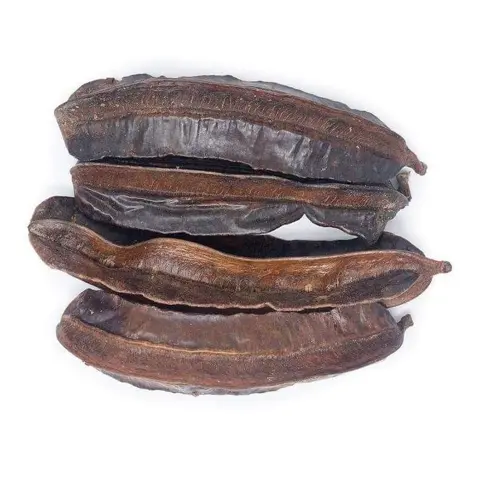
Bitter Kola Benefits: What Science Says and How to Use It
Health, spiritual and traditional benefits of bitter kola (orogbo), what research really shows, how many to chew, side effects and who should avoid it.

Contents
- Health benefits of bitter kola: what the research shows
- Benefits of bitter kola for men
- Benefits of bitter kola for women
- Spiritual benefits of bitter kola
- Bitter kola under pillow: what people believe
- How to eat bitter kola safely
- Side effects of bitter kola and who should avoid it
- Frequently asked questions
Quick answer Bitter kola (Garcinia kola) has real research behind it, but most of it is in the lab or in animals. Small human trials suggest it may ease knee arthritis pain and lower eye pressure in glaucoma. Claims that it cures malaria, diabetes or infertility are not proven. Chewing one or two seeds is common; more can upset the stomach.
Bitter kola is the hard brown seed of Garcinia kola, a forest tree of West and Central Africa. It is orogbo in Yoruba, aku ilu (also written akiilu or ugolo) in Igbo and miji goro in Hausa. It tastes bitter first, then slightly sweet, and it is sold everywhere from roadside trays to market stalls.
People chew it for cough, catarrh, stomach upset and energy, offer it to guests next to kola nut, and use it in prayer and tradition. This page separates what research shows from what people believe, so you can use it wisely.
Health benefits of bitter kola: what the research shows
The honest summary: scientists have found many promising effects, but a 2023 review in Phytochemistry Reviews notes that most have only been confirmed in animal models. Only a few small human studies exist. Here is the list, with how strong each one is.
| Claim | Type of evidence | How strong |
|---|---|---|
| Eases knee osteoarthritis pain | One small randomised human trial | Promising, not proven |
| Lowers eye pressure in glaucoma | One randomised human trial of eye drops, small studies of chewing | Promising, not proven |
| Fights bacteria and fungi | Lab studies | Weak for people |
| Antioxidant, protects the liver | Animal and lab studies on kolaviron | Weak for people |
| Lowers blood sugar | Animal studies | Weak for people |
| Fights malaria | Lab and animal studies | Weak, not a treatment |
| Boosts male sex drive or fertility | Mixed animal studies | Unproven |
Knee arthritis pain
The best human evidence is a 2008 trial at Obafemi Awolowo University Teaching Hospital, Ile Ife. People with knee osteoarthritis took 200 mg of G. kola extract twice a day, compared with placebo and two standard painkillers. The bitter kola group got pain relief faster than placebo and similar to the drugs, with no serious side effects reported. But each group had only about a dozen people, and the authors asked for more studies. It is a good sign, not proof.
Glaucoma and eye pressure
A 2010 randomised trial in Nigeria compared 0.5% Garcinia kola eye drops with timolol, a standard glaucoma drop, in people with newly diagnosed open angle glaucoma or high eye pressure. The bitter kola drops lowered eye pressure. Small studies also found eye pressure dropped for a few hours after healthy people chewed it. This was a specially prepared, sterile eye drop. Never put chewed or soaked bitter kola into your eyes, and never stop glaucoma treatment without your eye doctor.
Kolaviron, antioxidants and the liver
Kolaviron is a group of compounds (biflavonoids) found in the seed. In rat studies it protected the liver, kidneys and testes from damage by toxins, radiation and some drugs. These results come from animals given measured extracts, so we do not know what chewing a few seeds does in people.
Cough, catarrh and infections
Many Nigerians chew bitter kola at the first sign of a cold or sore throat. Lab tests show extracts can stop some bacteria and fungi growing in a dish. That is not the same as curing an infection in your body. If you have fever, a cough over two weeks or difficulty breathing, see a doctor.
Malaria
Bitter kola is a traditional malaria remedy, and lab and animal work shows some activity against the parasite. There is no human trial showing it treats malaria. Malaria can kill. Test and take proper antimalarial drugs. One small study in healthy Nigerian volunteers also found that taking bitter kola with quinine lowered the level of quinine in the blood, so do not chew it at the same time as your malaria drugs.
Blood sugar and diabetes
Kolaviron lowered blood sugar in diabetic rats. There is no good human trial. Do not replace diabetes medicine with bitter kola. If you are on diabetes drugs and want to use it often, ask your doctor, because two things lowering sugar together can drop it too far.
Weight loss
Some people say bitter kola reduces appetite. There is no reliable study showing it causes weight loss in people.
Benefits of bitter kola for men
Bitter kola has a strong reputation as a booster for men, but the evidence is thin and mixed. In rat studies, some doses raised testosterone, while one study found high doses reduced sperm movement and increased abnormal sperm. No good human study shows it improves erections or fertility. A man trying for a baby should not chew large amounts daily, and should see a doctor if there is a fertility problem.
Benefits of bitter kola for women
There are no reliable studies on bitter kola for women's fertility, periods or pregnancy. Old claims that it strengthens the womb or helps conception are not backed by research. Because safety in pregnancy and breastfeeding has not been studied, pregnant and breastfeeding women should avoid regular or large amounts.
Spiritual benefits of bitter kola
In Yoruba culture orogbo is tied to long life. People play on the sound of the name with the word gbó, to grow old, and pray that the person who receives it will live long. These are beliefs and customs, not guaranteed results.
- Naming ceremonies: orogbo is one of the items presented at a Yoruba naming ceremony, with prayers that the child will live to old age.
- Traditional worship: in Yoruba religion orogbo is offered to the orisa and is especially linked with Sango.
- Hospitality and prayer: it is shared with visitors and elders, often with kola nut, as a sign of welcome and a wish for long life.
- Prayer items: some people pray over bitter kola with alligator pepper, salt or ogirisi leaves for open doors and customers. See alligator pepper, bitter kola, ogirisi, ashes and salt and alligator pepper for good luck.
Christians who use it usually pray to God over the seed and chew it as a point of contact, the way others use salt and honey. This is faith practice, not medical advice. If you are unwell, see a doctor.
Bitter kola under pillow: what people believe
Some people sleep with one bitter kola, or bitter kola and alligator pepper, under the pillow. They believe it guards against bad dreams and spiritual attack at night. There is no study on this; it is a personal belief. If you do it, keep the seed out of reach of small children, who could choke on it.
A simple prayer some people say over it:
"Lord, as I lie down, keep me and my house. Let no evil dream stand against me. Give me long life and peace, in Jesus' name. Amen."
How to eat bitter kola safely
Most people chew one or two seeds and stop there. There is no official safe daily dose, so moderation is the safest rule.
- Wash the seed and peel off the thin brown skin.
- Chew one seed slowly, after food rather than on an empty stomach.
- Drink water afterwards. Many people say water tastes sweet after bitter kola.
- Do not chew it every day for long periods unless a doctor agrees.
Side effects of bitter kola and who should avoid it
Chewing a seed now and then seems to be well tolerated, but long term human safety has not been studied.
- Stomach upset: too many can cause stomach pain, heartburn or loose stool.
- Sleep: many people report feeling more awake after chewing it. Avoid it late at night if you sleep badly.
- Drug interactions: it lowered quinine levels in a human study and may affect other drugs. Do not take it at the same time as medicine, and tell your doctor if you use it often.
- Pregnancy and breastfeeding: safety is unknown, so avoid regular use.
- Diabetes and blood pressure drugs: talk to your doctor first.
- Children: the seed is hard and a choking risk for small children.
Frequently asked questions
What is bitter kola called in Yoruba and Igbo?
Orogbo in Yoruba. In Igbo it is aku ilu, also spelled akiilu, and some areas call it ugolo. In Hausa it is miji goro.
How many bitter kola should I eat in a day?
There is no official dose. Most people chew one or two seeds, and eating many at once can upset the stomach.
Does bitter kola cure malaria or typhoid?
No. Lab and animal studies show some activity, but there is no proof it cures either disease. Get tested and treated at a clinic.
Is bitter kola good for a pregnant woman?
Its safety in pregnancy has not been studied, so it is best to avoid regular or large amounts. Ask your antenatal doctor.
Does bitter kola increase sperm count?
There is no human proof. Rat studies are mixed, and one found high doses harmed sperm movement and shape.
Can I chew bitter kola with kola nut?
Many people do as part of welcome and prayer. Kola nut contains caffeine, so too much of both can cause restlessness and poor sleep.
Questions from readers
No questions yet. Ask the first one.