Miracle Leaf Benefits: Spiritual and Health Uses Explained
What miracle leaf (Bryophyllum pinnatum) is used for spiritually, what research shows about its health benefits, and who should avoid it.
Contents
Quick answer Miracle leaf (Bryophyllum pinnatum, abamoda in Yoruba) is used spiritually for favour, cleansing and protection, and in folk medicine for wounds, coughs, fever and kidney stones. Research shows promise in lab and animal studies, with small human trials on bladder and preterm labour. It also contains heart-affecting toxins, so it is not safe to drink freely.
Many websites list 30 or 40 "benefits" of miracle leaf. Most of those lists mix tradition, hope and lab results as if they were the same thing. This page separates them: what people believe, what has been studied, and what can harm you.
The spiritual uses are faith practice, and the health information is not medical advice. If you are unwell, see a doctor before taking any herb.
What is miracle leaf?
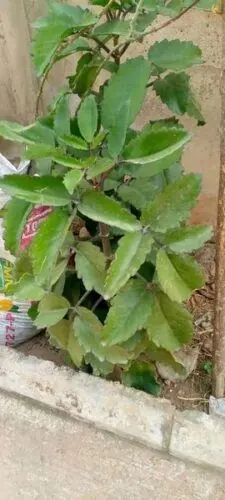
Miracle leaf is a succulent plant, Bryophyllum pinnatum, also named Kalanchoe pinnata, in the stonecrop family (Crassulaceae). It is native to Madagascar and now grows wild across tropical Africa, Asia and the Americas.
- Other English names: leaf of life, air plant, life plant, resurrection plant, cathedral bells, mother of millions
- Yoruba: abamoda
- Igbo: odaa opuo, as listed by the Nigerian Medicinal Plants database
- What it looks like: thick, fleshy green leaves with rounded teeth on the edges, often tinged red
- Why "miracle": a leaf that falls or is cut off grows baby plants from the notches along its edge
Spiritual benefits of miracle leaf
In Nigeria and Ghana, people use miracle leaf mainly for favour, fresh starts and protection. Its habit of growing new life from a fallen leaf is the root of the belief.
| Use | How people practise it |
|---|---|
| Favour | Washing the face or bathing with leaf water after prayer |
| Money and business | Sprinkling leaf water at a shop entrance, keeping a leaf in the wallet |
| Love and marriage | Bathing at night, praying for the right partner or peace at home |
| Cleansing | Bathing for 3 or 7 days to remove heaviness or bad luck |
| Protection | Placing leaves by the door, praying Psalm 91 |
| Prayer | Holding leaves as a point of contact while praying or reading Psalms |
For full steps, prayers and Bible verses, read how to use miracle leaf for favour. The Bible does not mention miracle leaf; Christians who use it pair it with verses on favour.
Spiritual benefits of miracle leaf and alligator pepper
Some people chew alligator pepper while praying and bathe with miracle leaf water, believing the pepper makes their words "hot" and the leaf brings renewal. See alligator pepper for good luck and money for that tradition.
Traditional health uses
Across Africa, the Caribbean, Brazil and India, healers use miracle leaf for many problems. A 2022 review by researchers including a University of Ibadan team listed uses for fever, cough, asthma, headache, ear infections, convulsions and general weakness.
- Warmed leaves pressed on wounds, boils and swellings
- Leaf juice dropped in the ear for earache
- Juice used to stop nose bleeding and bleeding from fresh cuts
- Leaf infusion for fever and cough
- Juice taken for kidney stones and urinary problems
- Lightly roasted leaves for skin fungus, as recorded in Akwa Ibom
Traditional use is not the same as proof. Here is what the research says.
What research says about miracle leaf benefits
Most studies are in test tubes or animals. A few small human trials exist, mainly from Switzerland, where standardised Bryophyllum preparations are used in anthroposophic medicine. None of this proves the home remedies work.
| Claim | Type of evidence | What it found |
|---|---|---|
| Overactive bladder | Small human trial (20 women) | Fewer toilet trips per day (9.5 to 7.8), but the difference from placebo was not statistically significant |
| Preterm labour | Hospital records and two small trials | A 2006 records study found similar results to standard drugs with fewer side effects; two trials stopped early with too little data to judge |
| Night urination and sleep | Uncontrolled study (49 women) | Fewer night toilet trips and slightly better sleep scores, with no comparison group |
| Kidney stones | Animal studies, one small uncontrolled human study | Reduced stone formation in rats; lower stone-forming saturation in patients given 10 ml juice daily for 30 days |
| Bleeding and wounds | Lab studies | Extract helped blood clot in the lab, matching the traditional use |
| Infections, ulcers, blood pressure, sugar | Lab and animal studies | Antimicrobial, anti-ulcer, blood pressure lowering and blood sugar effects reported in animals or cells |
A 2016 review in Planta Medica concluded that the data support use for preterm labour, restlessness and sleep problems in the Swiss setting, but said more studies are needed to know how it works. A 2023 review by the same research group called for proper controlled human trials.
Benefits of miracle leaf in the body: what is realistic
- Some early evidence: calming an overactive bladder (standardised products), helping blood clot on small cuts
- Not proven: curing diabetes, cancer, high blood pressure, ulcers or kidney stones in people
- False: any claim that it cures everything or replaces hospital treatment
Side effects and who should avoid miracle leaf
Miracle leaf contains bufadienolides, natural heart poisons in the same family as the heart drug digoxin. They affect the heartbeat. In large amounts, related Kalanchoe plants have killed cattle in South Africa and Australia, and the plants are listed as toxic to dogs and cats.
- Heart patients: do not take it by mouth if you have a heart condition or take digoxin, heart rhythm or blood pressure medicine.
- Pregnancy: Swiss doctors have used a standardised product in pregnancy under supervision. Homemade juice has no fixed dose, so do not drink it while pregnant unless your doctor says so.
- Children: do not give leaf juice to children to drink.
- Pets and livestock: keep animals away from the plant, especially the flowers, which hold the most toxin.
- Other side effects: stomach ache, diarrhoea and skin rash have been reported in trials.
Using the leaf in a bath or on the skin carries far less risk than drinking it. If you feel a racing or slow heartbeat, dizziness, vomiting or weakness after taking it, go to a hospital.
How people use miracle leaf safely
The safest uses are external: bathing, washing the face, or a warmed leaf on a small wound. People who do take it by mouth usually take a small amount of juice for a short time, but no safe dose has been set.
- Choose fresh, clean leaves from a plant not sprayed with chemicals.
- Wash them well.
- For a bath, crush them into a bucket of water and soak 30 minutes.
- For a cut, warm a leaf slightly, peel off the thin skin, and press the soft side on the clean wound.
- Before taking it by mouth, talk to a doctor or pharmacist, especially if you take any regular medicine.
Frequently asked questions
What are the spiritual benefits of miracle leaf?
People use it for favour, open doors, money, love, cleansing and protection, often by bathing with leaf water while praying. These are beliefs held in faith, not proven results.
Can miracle leaf cure kidney stones?
It has not been proven. Animal studies and one small human study look promising, and a controlled trial has been registered, but see a doctor for stones.
Is miracle leaf poisonous?
It contains heart-affecting compounds called bufadienolides. Small external use is common, but large amounts eaten have poisoned animals, and heart patients should avoid it by mouth.
Can a pregnant woman drink miracle leaf?
Not without a doctor. It affects the muscle of the womb, which is why Swiss doctors studied it for preterm labour, and homemade juice has no safe dose.
Is miracle leaf mentioned in the Bible?
No. Christians who use it treat it as a point of contact and pray with verses like Psalm 5:12 and Proverbs 3:4.
What is miracle leaf called in Yoruba?
Abamoda. It is also called leaf of life, air plant or resurrection plant in English.
Questions from readers
No questions yet. Ask the first one.