Aidan Fruit (Prekese) for Fertility: Uses, Soup and Research
How prekese (aidan, aridan) is used after childbirth and for fertility, how to make the soup, and what research found, including a mouse study warning.
Contents
- What is aidan fruit (prekese) called in local languages?
- How is prekese used for fertility traditionally?
- Can prekese help you get pregnant? What research shows
- How to make prekese soup (light pepper soup)
- What you need
- How to make prekese drink (and why to be careful)
- Who should avoid prekese drinks
- See a doctor if you are trying to conceive
- Frequently asked questions
Quick answer In Ghana and Nigeria, prekese (aidan fruit, aridan) is boiled into soups and pepper soup for women after childbirth and is widely believed to help fertility. No human study has tested it for fertility. One mouse study found a strong pod extract stopped pregnancies. Use it as a soup spice in food amounts, and see a doctor if you are trying to conceive.
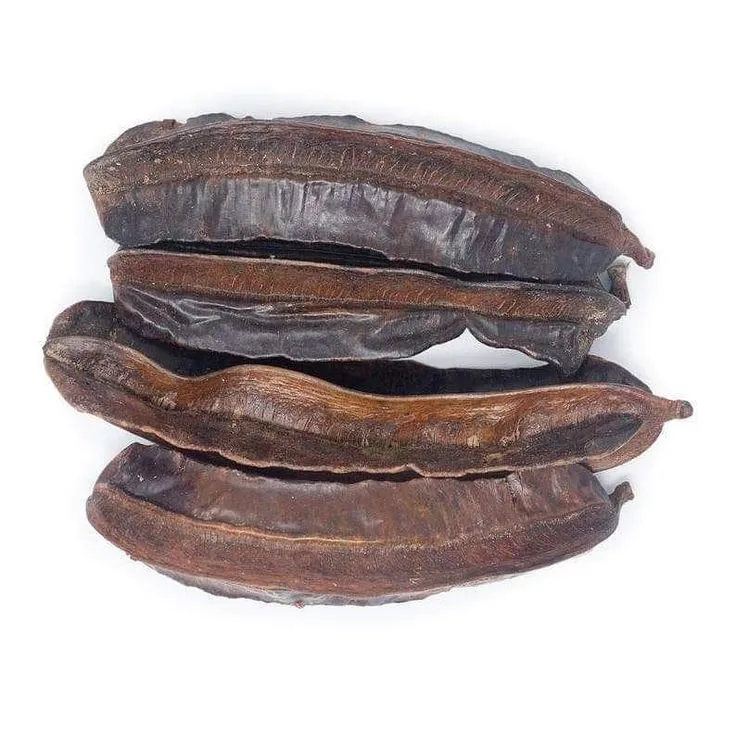
Aidan fruit is the long, dark brown, four winged pod of the tree Tetrapleura tetraptera. It has a sweet, smoky smell that fills the kitchen, which is why it is a favourite soup spice across West Africa. It is also one of the most talked about "fertility" herbs in Ghanaian and Nigerian homes.
This guide covers what people traditionally do with it, how the soup is made, and what research has really found, graded as lab, animal or human trial.
What is aidan fruit (prekese) called in local languages?
It is the same pod under many names.
| Language or place | Name |
|---|---|
| Twi (Ghana) | Prekese |
| Yoruba | Aridan |
| Igbo | Oshosho, uhiokirihio |
| Efik | Uyayak, edem inang |
| Hausa | Dawo |
| Edo (Bini) | Ighimiaka |
| English | Aidan fruit, aidan tree |
How is prekese used for fertility traditionally?
Traditionally, prekese is given mostly to women after childbirth, in soup, and many families believe it helps the womb recover and supports future pregnancy.
- After childbirth: Nigerian studies describe the pod being cooked into pepper soup and other soups for nursing mothers, said to help with after birth contractions and recovery.
- Fertility: Some herb sellers and family elders recommend prekese drinks for women trying to conceive, for "cleaning the womb", or for irregular periods. These are beliefs, not tested results.
- Other folk uses: West African healers also use it for convulsions, asthma, high blood pressure, rheumatic pain, malaria, diabetes and wounds.
- Spiritual use: In some Yoruba homes a dry aridan pod is kept in the house, and people believe its smell keeps away evil. This is faith practice.
Can prekese help you get pregnant? What research shows
No study in people shows that prekese helps you get pregnant. The animal research on reproduction is limited, and the clearest study is a warning.
- Animal (reproductive toxicity): In a 2018 study at the University of Lagos, published in Herbal Medicines Journal, female mice given an ethanol extract of the pods for 40 days at 50 to 200 mg per kg did not get pregnant at all, while every untreated mouse did. Male mice on the extract showed abnormal sperm and damaged testis tissue. The author called the extract possibly unsafe at those doses.
- Animal (fibroids): Rat studies from Nigeria found that extracts of the fruit or stem bark reduced fibroid growth that had been induced in the lab, and lowered oestrogen. This is early work in rats, not proof it shrinks fibroids in women.
- Lab and animal (general): A 2024 review in Heliyon lists antioxidant, anti inflammatory, antimicrobial, liver protecting and blood sugar effects in lab and animal studies. It found no human trials and said much more safety testing is needed.
- Nutrition: The dry pod contains carbohydrate, some fat and protein, and minerals such as potassium, calcium, magnesium and iron, which is part of why it is valued as food for new mothers.
A strong lab extract is not the same as a pod in your soup, so the mouse result does not prove prekese soup causes infertility. But it does mean the claim that prekese "boosts fertility" has no support, and concentrated drinks taken daily for weeks are not proven safe.
How to make prekese soup (light pepper soup)
The safest way to enjoy prekese is the traditional one: a piece of pod as a spice in soup. This is a simple version.
- Wash one pod of prekese, break it into two or three pieces and lightly crack it.
- Put it in a pot with your washed meat or fish, onion, salt and seasoning. Add water.
- Boil for 20 to 30 minutes so the aroma and flavour come out.
- Add pepper soup spice or blended pepper and scent leaf or uziza, and cook another 5 to 10 minutes.
- Remove the pod pieces before serving. They are not eaten.
In Ghana it is also added to light soup and palm nut soup. One pod is enough for a family pot.
What you need
- 1 dry prekese (aidan) pod
- Meat, chicken or fish
- Onion, salt, seasoning
- Pepper or pepper soup spice
- Scent leaf or uziza leaves, optional
- Water and a pot
How to make prekese drink (and why to be careful)
Many people boil prekese with water, sometimes with ginger, lemongrass or pineapple peel, and drink it. As an occasional drink this is a common household practice. Be careful with three things:
- Strength and length: do not drink a strong brew every day for weeks. That is closest to what harmed the mice.
- Potash (kaun): some old recipes add potash. Potash is not a medicine, and regular use is not advised, especially in pregnancy or for people with high blood pressure or kidney problems.
- Mixtures from sellers: bottled "fertility" mixtures may contain other herbs or drugs you cannot see. Avoid them.
Who should avoid prekese drinks
Prekese as a soup spice is a normal food for most people. Concentrated drinks need care.
- Women trying to conceive: avoid daily strong drinks given the mouse findings. Soup amounts are a different matter.
- Pregnant women: no safety data for medicinal doses. Ask your doctor or midwife.
- Men trying to father a child: the same mouse study found sperm damage, so do not take strong extracts.
- People on blood pressure or diabetes drugs: it may add to their effect. Talk to your doctor.
This is general and faith information, not medical advice. Anyone unwell should see a doctor.
See a doctor if you are trying to conceive
If you have tried for a year without pregnancy, or six months if the woman is 35 or older, both partners should see a doctor. A semen test, hormone tests and a pelvic scan can find treatable causes such as blocked tubes, fibroids, infection or low sperm count. Herbs can delay that care. For faith practices people combine with medical care, see prayer and coconut water and alligator pepper, and our honest look at guava leaves and ginger for fertility.
Frequently asked questions
Can prekese make you pregnant?
No study shows this. One mouse study found a strong pod extract prevented pregnancy, so prekese is not a fertility treatment.
Can prekese prevent pregnancy?
It is not a contraceptive and must not be used as one. The mouse result used a strong lab extract and has not been tested in people.
Is prekese good for a nursing mother?
It is a traditional soup spice for new mothers in Ghana and Nigeria, and in food amounts it is widely eaten. Its claimed healing effects after birth have not been tested in women.
Can prekese shrink fibroids?
Rat studies showed reduced lab induced fibroids, but there are no human trials. Fibroids need a doctor and a scan.
Can prekese cure high blood pressure or diabetes?
No. Animal studies show some effects, but nothing proves it treats either condition in people. Do not stop your medicine.
What is prekese called in Igbo and Yoruba?
In Yoruba it is aridan. In Igbo it is called oshosho or uhiokirihio, depending on the area.
Questions from readers
No questions yet. Ask the first one.